





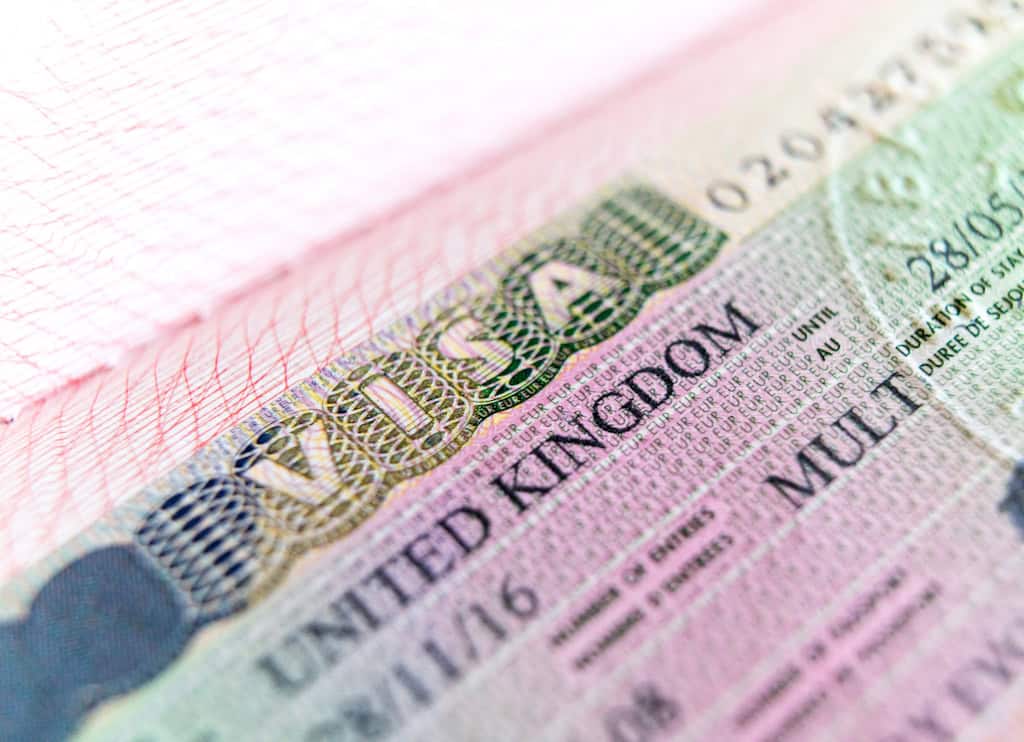
Sudanese students affected by the UK government’s study visa “brake” are preparing to appeal after the High Court ruled in favour of Home Secretary Shabana Mahmood, according to Sudan Scholars UK.
The group said the decision upheld the government’s 18-month restriction on study visas, leaving students with fully funded master’s places at leading UK universities unable to begin their courses this September.
“Unfortunately, the court has ruled in favour of the Home Secretary, Shabana Mahmood, upholding the decision that prevents our students from continuing their studies in the UK for 18 months,” Sudan Scholars UK said in a LinkedIn post.
The only thing preventing them from starting in September was this decision
Sudan Scholars UK
It said the students had MSc admissions with full scholarships at the universities of Oxford and Cambridge, Imperial College London and University College London.
“The only thing preventing them from starting in September was this decision,” the group said, adding that it was working with its legal team to appeal.
The update follows a High Court challenge to the Home Office’s visa-brake policy, which came into force in March and halted the issuance of study visas to nationals of Afghanistan, Cameroon, Myanmar and Sudan.
One of the claims was brought by three Sudanese women – two doctors and a pharmacist – represented by Duncan Lewis Solicitors. The women held master’s offers from Oxford and UCL and argued that Sudan had been selected for a blanket restriction without evidence of visa abuse by Sudanese nationals.
They also argued that the Home Office had failed to consider alternative measures or assess their cases individually.
“Our clients argued before the High Court… that the Home Secretary had selected Sudan for the imposition of a blanket ban on an arbitrary basis, without any evidence of visa abuse committed by Sudanese nationals,” Duncan Lewis solicitor Manini Menon told The PIE News before the ruling.
The Sudanese students’ case was heard at the same time as a separate legal challenge involving four other students affected by the visa restrictions.
Before the ruling, The PIE understood that Oxford had agreed to keep the claimants’ offers and scholarships open until August 31. UCL had agreed to defer one claimant’s offer by a year if the challenge succeeded, giving her time to secure funding after Chevening terminated applications from students affected by the policy.
The Home Office introduced the policy after saying asylum claims from visa holders from the four countries had risen by more than 470% over four years. It said the measure was intended to tackle abuse of the visa system.
But the policy was criticised by universities, student advocates and the Russell Group, which argued that the government had relied on unclear data and risked damaging the UK’s international reputation. The Russell Group said students from the four countries account for less than 0.6% of international students in the UK.
In July, nine universities announced online and transnational alternatives through the Mosaik Scholarship for students unable to access campus-based study.
However, sector leaders have said those options cannot replace in-person study and scholarship opportunities in the UK.
The PIE has contacted the students’ legal representatives for comment on the ruling, its reasoning and the proposed appeal.


