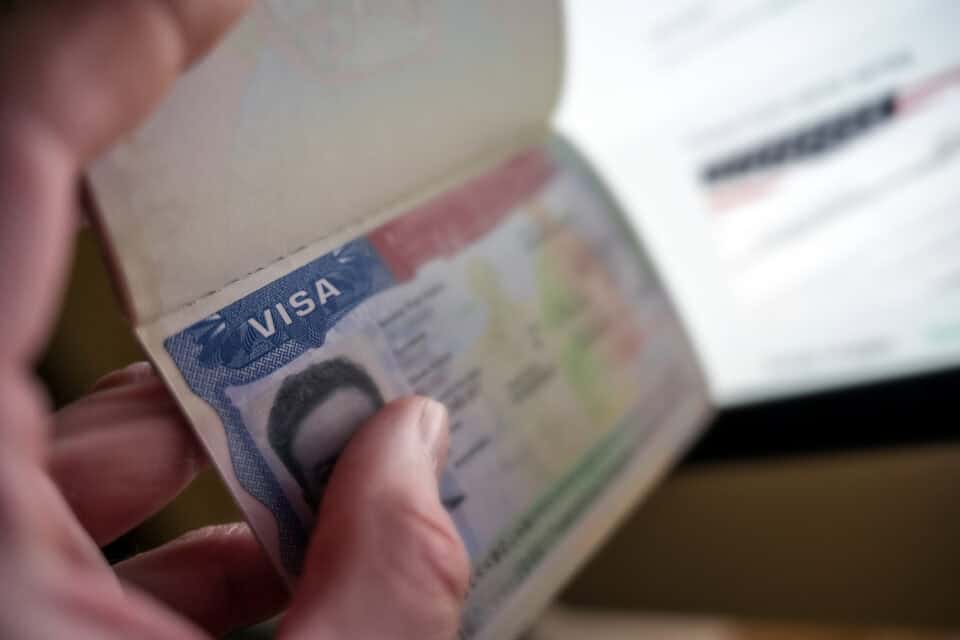





Australia has increased student visa application fees overnight, with the Student visa (subclass 500) rising from $2,000 to $2,500. The change follows the last increase in July 2025.
A separate pricing structure has also been introduced for ELICOS students under the subclass 500 visa. Despite industry groups lobbying for a reduction below the $2,000 fee, citing declining enrolments and the short-term nature of many ELICOS courses, the government has instead increased the ELICOS visa fee to $2,050, compared to the previous shared $2,000 rate.
Prospective students from ASEAN countries will also pay the lower rate, while applicants from Pacific Island countries will continue to pay $745.
In addition, the Temporary Graduate visa (subclass 485) application fee has increased again, rising from $4,600 to $5,750 – a 25% jump and the second increase in four months.
Commenting on increase in the Temporary Graduate visa, Jesse Gardner-Russell, national president, Council of Australian Postgraduate Associations, said: “This is a fee on the exit door, not the front door.
“If the aim is to manage who comes in, charging the people already on their way out is the wrong instrument. The only thing a higher 485 fee reliably manages is revenue.”
“International students are not just another resource to be mined, their value extracted and then shipped offshore, like iron ore. They are a critical component of Australia’s global soft-power and part of our multicultural community,” he added.
International students are not just another resource to be mined, their value extracted and then shipped offshore, like iron ore
Jesse Gardner-Russell
Meanwhile, Richard Lee, CAPA national vice president warned: “Every increase in the cost of staying, delivered without warning, tells the best graduates that Australia is an unpredictable place to build a future.
“These are people who chose Australia, studied here, and want to stay and contribute. We are making that harder, twice in one year, for no clear gain.”
The increases form part of a broader uplift across most major visa categories, including skilled, partner and working holiday visas.
Weihong Liang, president of The International Students Representative Council of Australia (ISRC of Australia) said that although governments “have the right to change migration policy… fair policy implementation requires notice, transition arrangements, and respect for those who have already made decisions in good faith.”
“International students should not be expected to absorb abrupt policy costs without warning,” he added.
“Tonight, I am deeply disappointed for the thousands of students who will wake up tomorrow to find that their post-study pathway has become significantly more expensive overnight.”